
The Infrastructure Behind Product Extensibility
Infrastructure with the flexibility to extend
Scalable platform
The foundation that handles everything that breaks at scale: authentication, webhooks, multi-tenant deployment, visibility, security, testing, and CI/CD.
Flexible build experiences
Code-first TypeScript with AI coding assistants, a low-code designer, the embedded workflow builder with an AI copilot, and 190+ pre-built components.
Full visibility
Per-customer configuration, an embedded marketplace, self-serve debugging, and detailed monitoring, so your teams deploy and support without extra engineering.
Build any integration 10x faster with AI
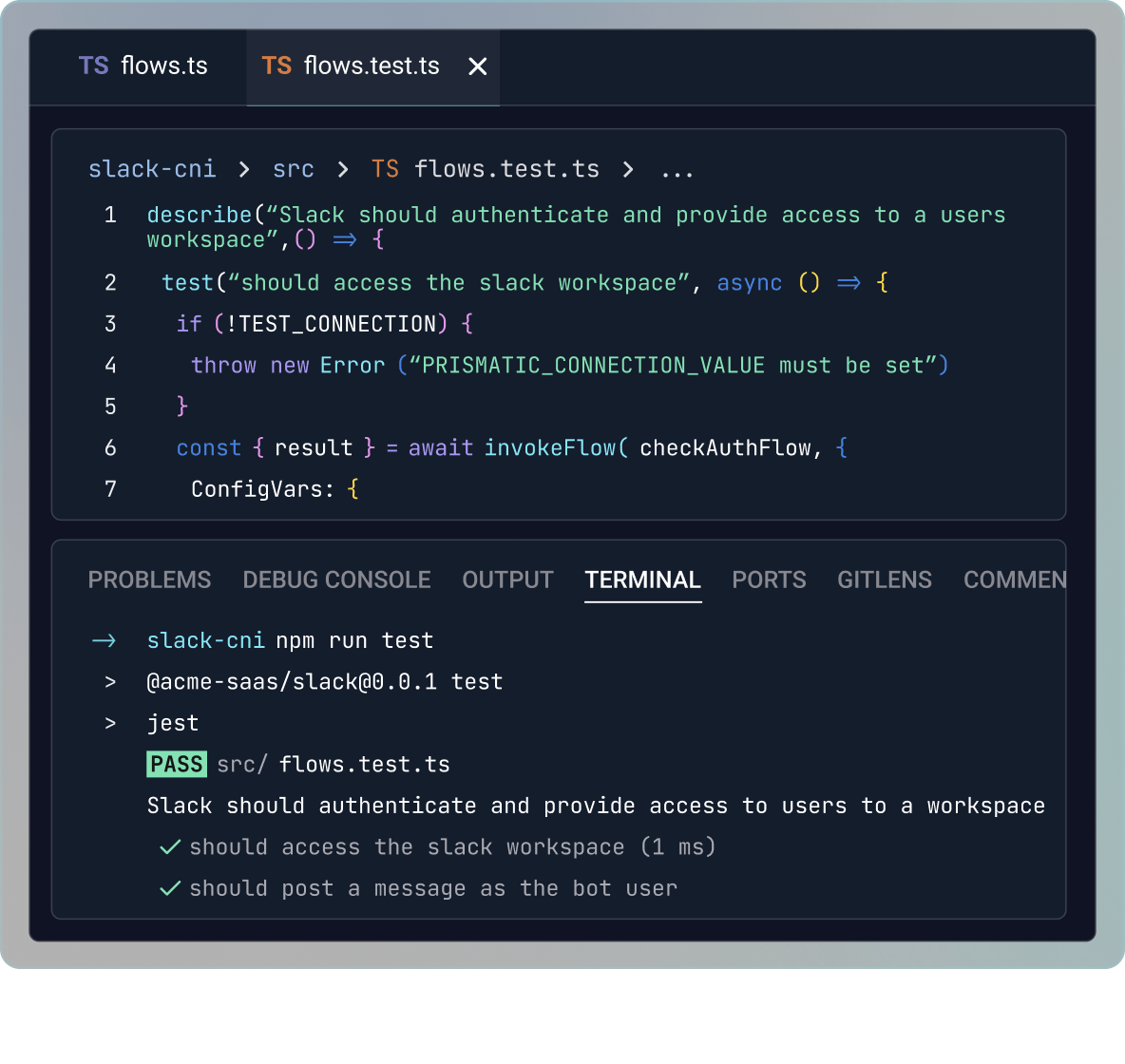
Write code in your IDE, use AI coding assistants via the MCP dev server, and deploy from your terminal. You get type safety, local testing, and version control, with none of the low-code limits.
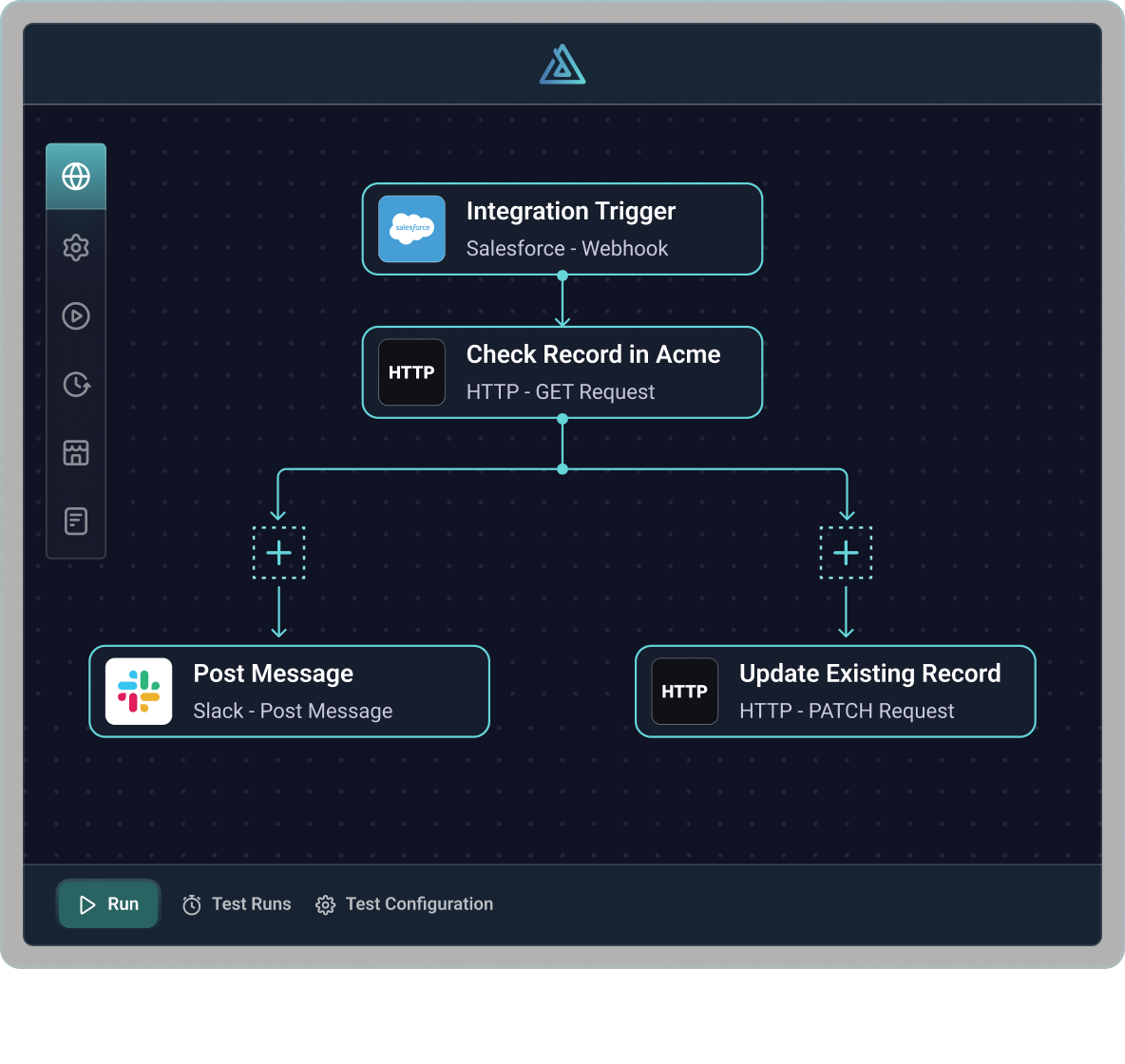
A visual canvas for less-technical builders, running on the same platform as code-first. Useful when teams want a visual representation of integration logic.

A white-labeled builder your customers use to create their own workflows, with an AI copilot that turns plain language into production-ready logic.
Build once, deploy to thousands

Embed a marketplace in your product where customers discover, activate, and configure integrations themselves. No engineering required.

Config wizards, the CLI, and the API let customer-facing teams deploy without pulling in engineering.
Proactive monitoring at scale

Customers get direct access to logs and execution history so they can troubleshoot themselves. Fewer tickets, higher satisfaction.

Alerting, log streaming to your tools, and management across tenants keep integrations healthy.

Visibility into high-volume syncs so large jobs stay observable and reliable.
Make your product agent-ready
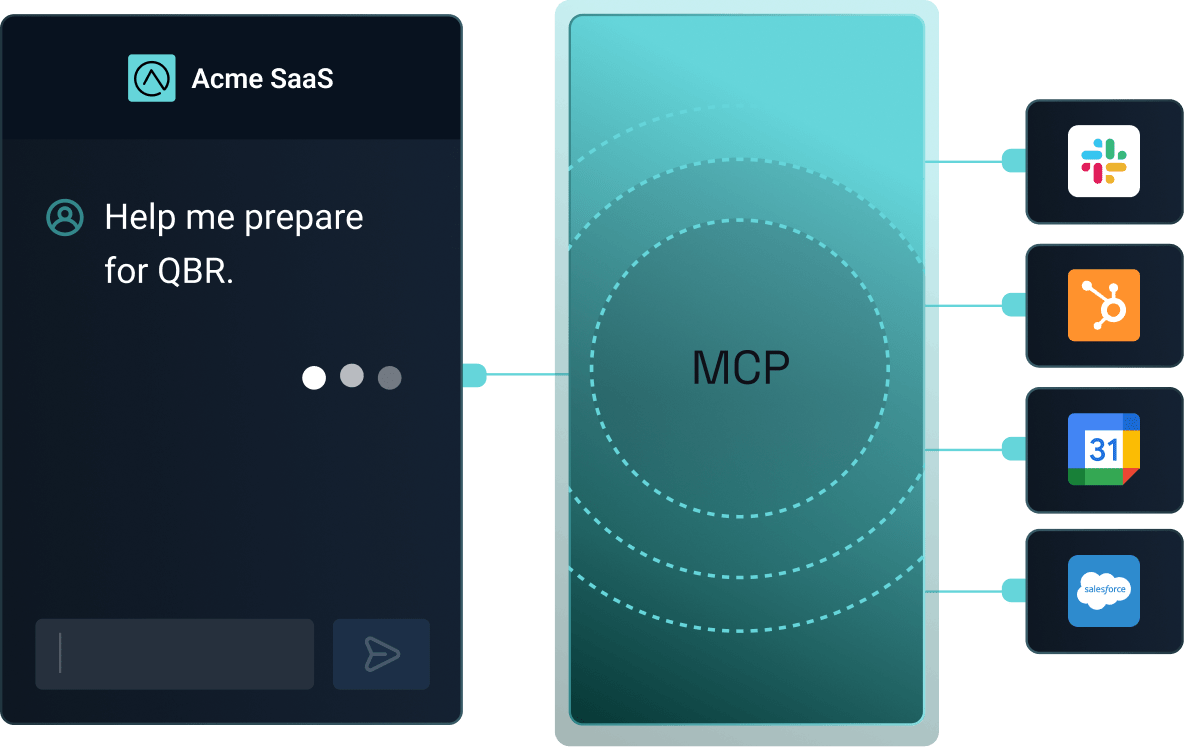
Open-source connectors and a full SDK
Auth is fully handled out of the box, and when your customers depend on a niche system, build a custom connector with the TypeScript SDK.
Built for how devs work
Don’t take our word for it







Common questions
It lets a software company build and deliver integrations between its product and the other applications its customers use, then extend that product with customer-built workflows and agent-ready tools. You build once and deploy to thousands of customers, each with its own config and credentials.
Traditional iPaaS automates a company's internal operations. A B2B integration platform is purpose-built to deliver customer-facing integrations and extensibility at scale, with multi-tenant deployment and native embedding.
B2B SaaS companies whose customers expect integrations, want to shape the product to their own workflows, and increasingly want their AI agents to act inside it.
Yes. Built-in and custom connectors cover standard APIs and niche systems, and the platform supports both real-time actions and larger data syncs.
True multi-tenancy, SOC 2, HIPAA, and GDPR compliance, full audit trails, and the security posture enterprise buyers require.
The core is built to run from your first integration to thousands of customers, with the infrastructure that breaks at scale already handled.